First Night at Disney’s Animal Kingdom Lodge
First Night at Disney's Animal Kingdom Lodge: When the Savanna Comes to Life
We came to Disney World in February 2026 with zero intention of stepping inside a single theme park — and our first night at Animal Kingdom Lodge reminded us exactly why.
We planned this Disney World trip differently than any we've taken before. No park-hopping, no rope drops, no lightning lanes. Just resorts. My wife and I decided to take our 13- and 11-year-old kids on a resort-focused trip — a chance to slow down and actually experience the incredible properties Disney has built. We chose to start with two nights at Disney's Animal Kingdom Lodge, and our first night there set the tone for everything that followed.
Arriving in the evening after a long travel day from Wisconsin, we were tired but curious. We'd heard the lodge was special. We had no idea how quickly that would prove true. This article covers that first evening — the animals, the moment we stepped onto our balcony, and the kind of experience that reminds you why Disney does what it does better than anyone else. A full deep dive on the lodge itself is coming in a follow-up post.
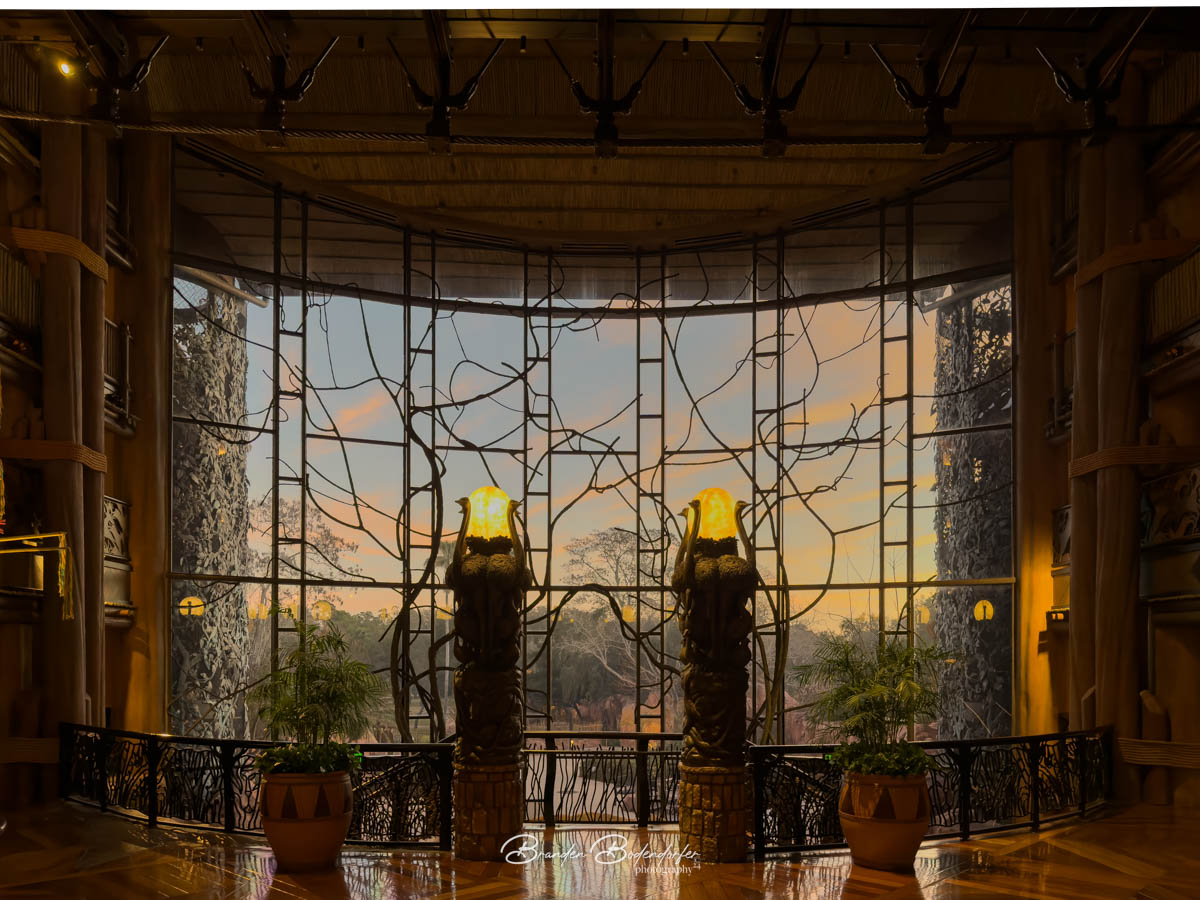
🏨 About Disney's Animal Kingdom Lodge
Disney's Animal Kingdom Lodge opened in 2001 and was designed by Denver architect Peter Dominick — the same mind behind Disney's Wilderness Lodge and the Grand Californian. The main building, Jambo House, is built in a U-shaped kraal design inspired by traditional African villages, wrapping around the savannas so that nearly every public space and savanna-view room faces the animals.
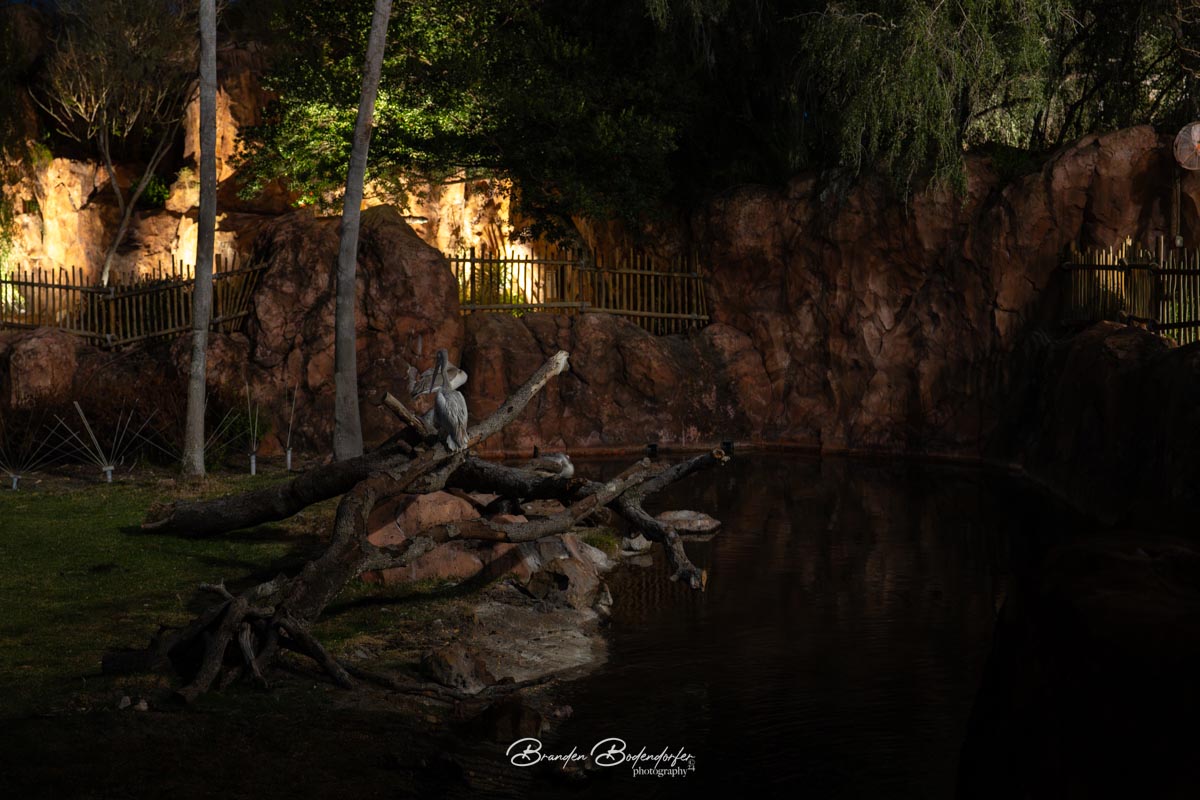
The lodge is home to more than 200 animals representing over 30 species of African wildlife. Three distinct 11-acre savannas — Uzima, Arusha, and Sunset — border Jambo House, each with its own mix of residents. Giraffes are the only species that roam all three. Zebras are primarily on the Arusha Savanna. Pelicans make their home near the water features at Arusha as well. The Pembe Savanna, located at the adjacent Kidani Village DVC property, adds a fourth habitat to the overall complex.
Dining options are a highlight in their own right. Jiko — The Cooking Place is the lodge's signature restaurant, known for African-influenced cuisine and an extensive South African wine program. Boma is widely considered one of the best breakfast buffets on Disney property. The Mara handles quick-service, and Sanaa over at Kidani Village is beloved for its Indian-African bread service with savanna views. We'll cover dining in detail in the next article — but know that The Mara was our landing spot that first evening, and it delivered exactly what we needed after a long travel day.
Pro Tip: When booking, request a savanna-view room on the second floor (the first level of guest rooms). You'll be at near-eye level with the animals during feeding — an experience that upper-floor panoramic views simply can't match in the same way.
🦒 The Savannas: Africa Outside Your Balcony
What makes Animal Kingdom Lodge genuinely unlike anything else in the Disney portfolio — or frankly in American hospitality — is the scale and authenticity of the wildlife program. These aren't decorative animals behind distant glass. They live on open savannas that run right up to the building. Public viewing areas are available throughout the resort on every floor, and if you have a savanna-view room, your balcony becomes a private wildlife observation deck.
Each savanna has its own character. The Arusha Savanna, which our room overlooked, features a large rock formation and a water feature where the pelicans roost at night. The Uzima Savanna is the most active, with giraffes and Thomson's gazelles almost constantly on the move. The Sunset Savanna hosts the only ostriches on property. Cast members stationed at the public viewing areas throughout the day can identify species, share behavioral context, and point out animals you might have missed. Each guest room also contains a Wildlife Field Guide — a surprisingly thorough reference book covering every species at the lodge.
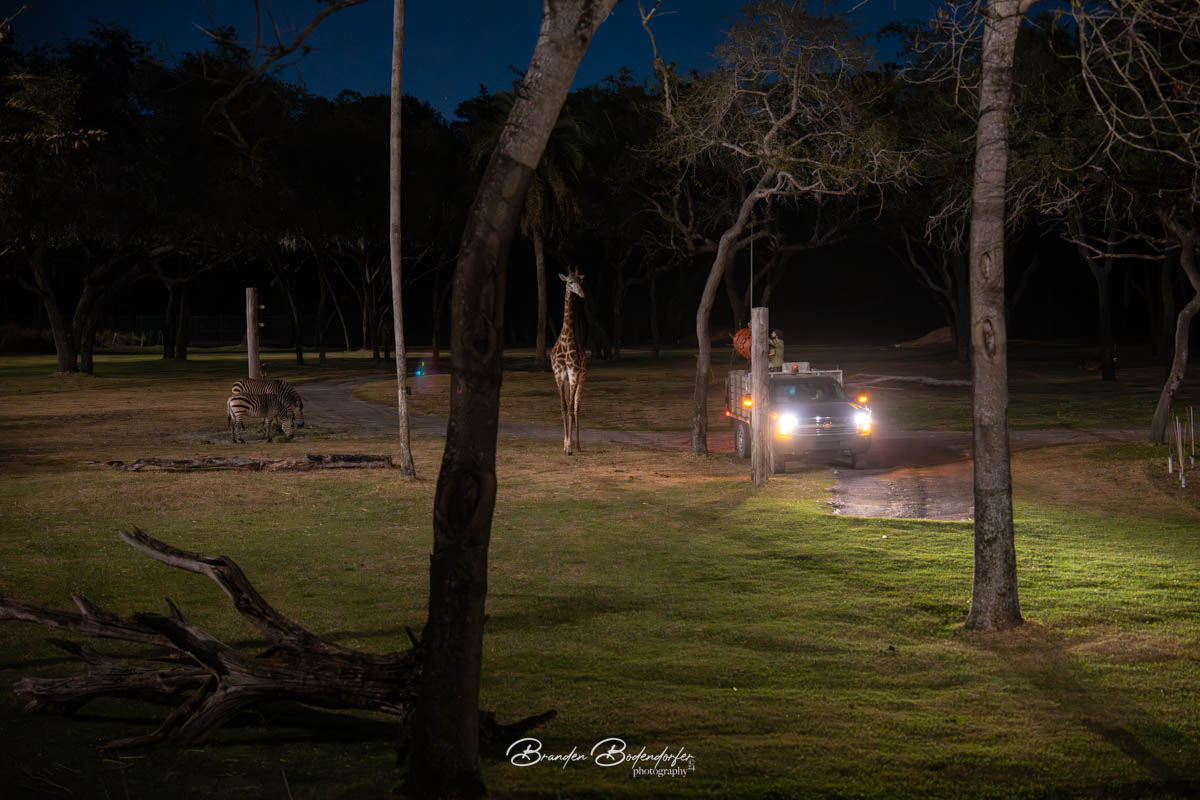
The animals are fed three times throughout the night, which means evening and overnight guests are well-positioned to see consistent animal activity long after sundown. The lodge intentionally uses low-impact lighting on the savannas — warmer tones that don't disturb the animals but allow guests to watch from their balconies or the viewing areas without intrusion.
✨ The First Night: Pixie Dust on the Savanna
We arrived tired. Long travel day from Wisconsin, a full airport run, the Orlando shuttle — by the time we checked in, the kids were running on fumes and the adults weren't far behind. We dropped our bags, took a breath, and stepped onto our second-floor balcony.
That's when it happened.
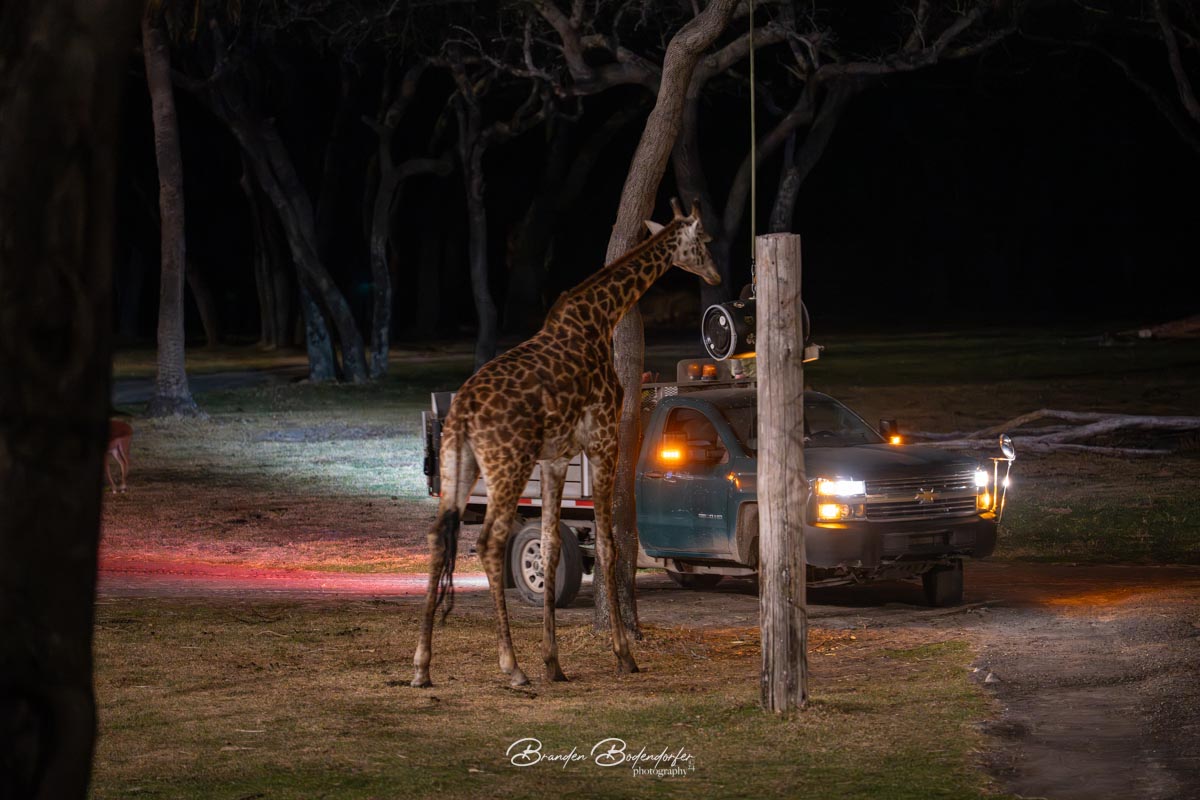
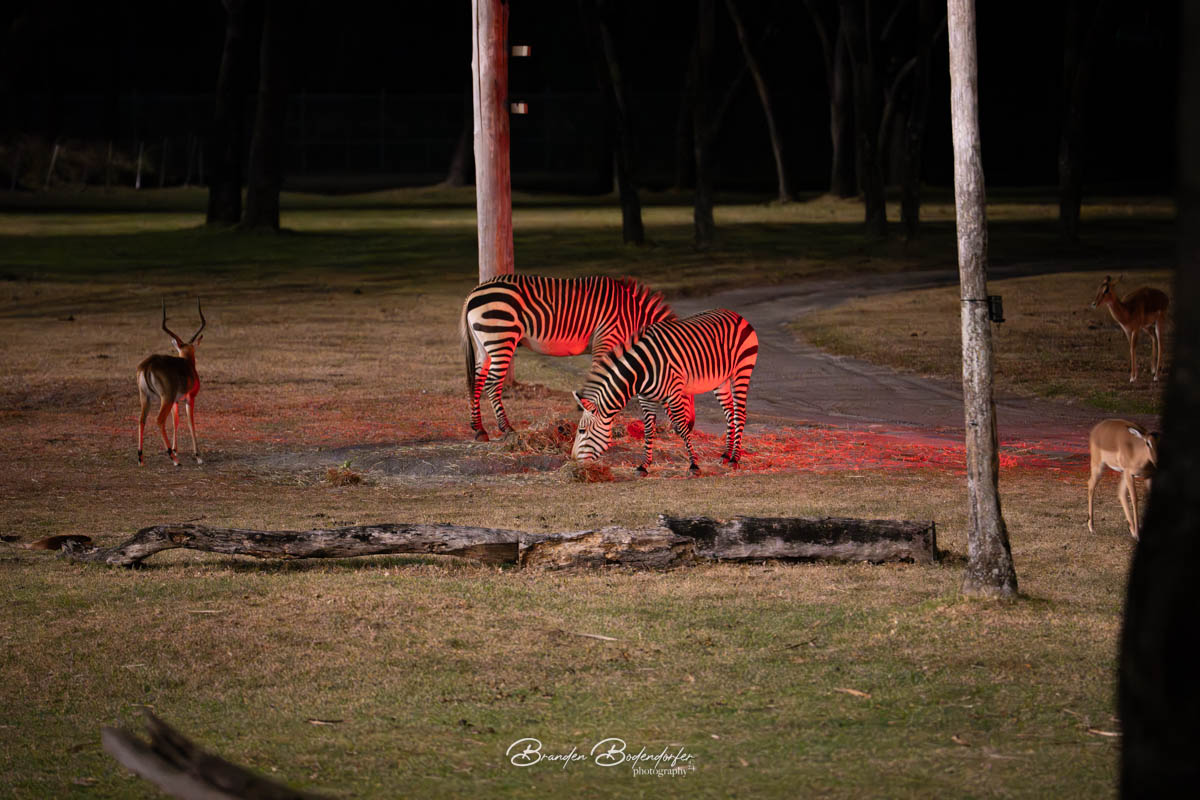
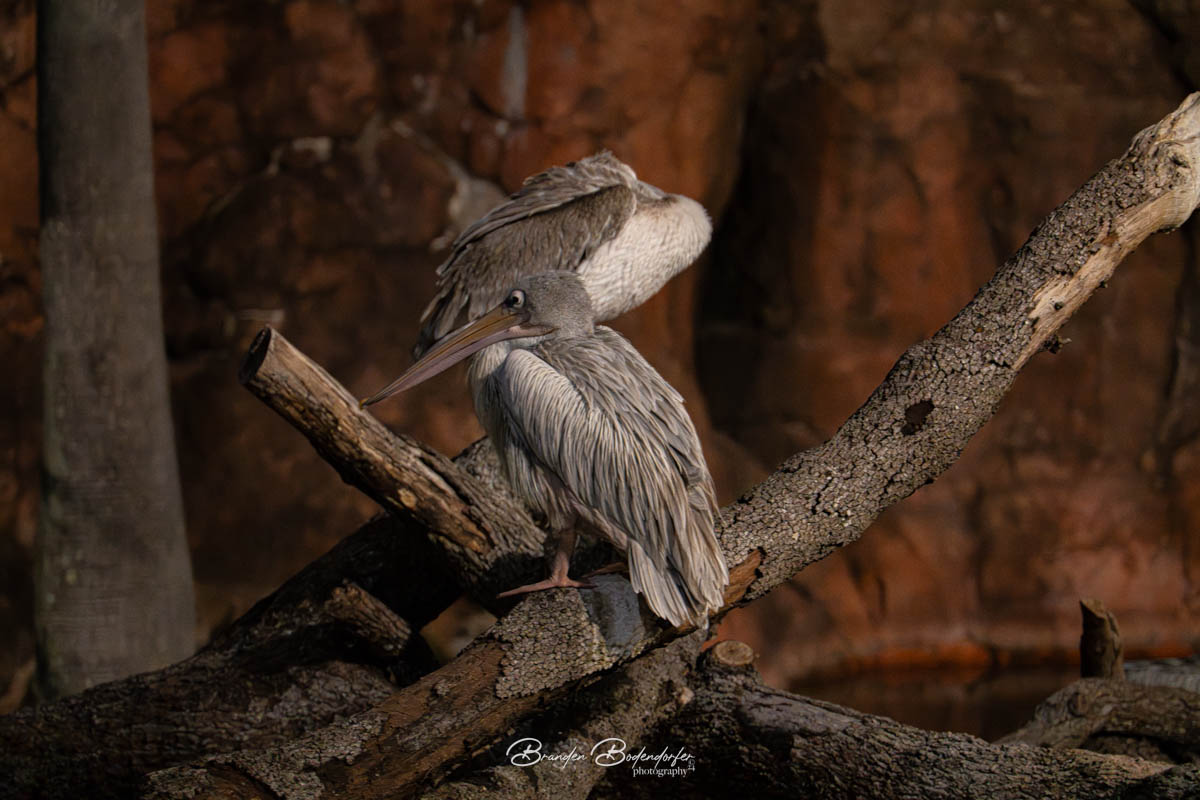
A giraffe was feeding directly below us. Impala moved quietly through the tree line. On the driftwood near the water feature, two pelicans were perched in that impossibly still way birds have when they've chosen exactly the right place to settle for the night. And then, lit by a low red feeding light in the distance, a pair of zebras grazed while impala circled nearby. The whole scene felt like someone had quietly rolled out a wildlife documentary on the other side of our sliding door.
There's a term Disney fans use — pixie dust — for those unscripted moments where the magic just lands. We didn't manufacture this. We didn't plan it. We stepped outside after a long day and Africa was right there, unhurried and completely indifferent to the fact that we were watching. That indifference is part of what makes it feel real. These animals aren't performing. They're just living their lives, and you happen to have a very good seat.
The kids, who had been exhausted minutes earlier, stood at that railing for over an hour. Nobody checked their phones. Nobody asked what was next. We just watched, pointed, and whispered — which, for a family from Central Wisconsin, felt like an entirely different kind of vacation than anything we'd done before.
We learned from a cast member that the animals are fed three times each night, which explains why the activity level after dark is so reliable. The feeding draws the animals toward the savanna areas closest to the building, which in turn brings them right into view. The whole system is designed with wildlife welfare first — but the side effect for guests is remarkable.
🍽️ Dining at the Lodge: The Mara After a Long Travel Day
After our balcony hour, we were hungry. We kept it simple — The Mara, the lodge's quick-service spot in Jambo House. The Mara punches well above its quick-service label. The bowls and snacks were exactly right for a first-night settle-in meal. It's the kind of food you eat standing at a counter and still feel like you made the right choice. No reservations, no pressure, plenty of flavor. We've eaten here before and it never disappoints.
The fuller dining picture at Animal Kingdom Lodge — Jiko, Boma, the Victoria Falls Lounge — deserves its own coverage, which is coming in the next article. But if you're arriving late and need a low-friction, high-quality first meal, The Mara is the move.
📷 Photography Tips: Shooting Wildlife at Night
Photographing animals through low-light savanna conditions from a balcony is a genuine technical challenge. Here's what worked for us during that first evening.
- Aperture priority, wide open: The light is low. Open up to f/2.8 or wider and let the background blur work for you — it isolates the animals beautifully against the rock formations.
- Push ISO, then pull back in post: Don't be afraid of ISO 3200–6400 on modern sensors. Noise reduction in Lightroom handles grain well; motion blur from a too-slow shutter is unrecoverable.
- Use the red feeding light to your advantage: The red ambient light cast over zebras and impala during feeding creates surreal, cinematic images that feel nothing like a standard zoo shot. Lean into it.
- Shoot from the balcony railing, not over it: Stabilize your lens on or against the railing to reduce camera shake at slow shutter speeds.
- Patience over volume: Set up, wait, and shoot fewer frames with intention. Animals move unpredictably — the best shots come when you've been still long enough that they've stopped reacting to you.
- Long lens wins: A 200mm or longer brings the animals into frame without disturbing them. The giraffe close-up shots from that first night were shot well over 200mm from the balcony.
❓ Frequently Asked Questions
Can you see animals from your room at Animal Kingdom Lodge?
Yes — if you book a savanna-view room. The lodge's three savannas (Uzima, Arusha, and Sunset) border the guest room wings directly, and animals roam freely day and night. Animals are fed three times throughout the night, making evening sightings reliable. Not all rooms face the savanna, so confirm your room category when booking.
How many animals live at Disney's Animal Kingdom Lodge?
The lodge is home to more than 200 animals representing over 30 species of African wildlife. Species include reticulated giraffes, Grant's zebras, impala, Thomson's gazelles, Ankole cattle, greater kudu, wildebeest, pink-backed pelicans, ostriches, blue cranes, and many more.
Is Animal Kingdom Lodge worth staying at without visiting the parks?
Absolutely. The resort itself is a fully immersive experience. Between the savanna views, the architecture, dining at Jiko or Boma, the pools, and watching animals feed from your balcony, the lodge stands on its own as a destination. No park ticket required to have an exceptional trip.
What is the best floor to stay on at Animal Kingdom Lodge?
The second floor (first floor of guest rooms) places you at near-eye level with the animals — the giraffe feeding experience from this height is unlike anything on the upper floors. Higher floors offer wider panoramic views. Both are great; lower floors give you proximity, upper floors give you scope.
💬 Final Thoughts
We came to Disney World to slow down, and Animal Kingdom Lodge delivered that from the moment we stepped onto our balcony. No rides, no crowds, no agenda — just a giraffe eating twenty feet below us while the kids stood in silence watching. That first night reset the energy of the whole trip.
If you've ever considered a Disney World vacation that doesn't center the parks, this is your answer. Animal Kingdom Lodge makes the case that the resorts themselves are worth the trip. And if you have photographers in your group, the nighttime savanna is one of the most unexpectedly rich shooting environments you'll find anywhere in Florida.
Stay tuned — the next article goes deep on the lodge itself: the architecture, the full dining experience at Jiko and Boma, the deluxe room details, and everything you need to know to plan your own stay.