Can an EV Survive Subzero Wisconsin Winters? One Driver’s Real-World Test
data-elementor-type="wp-post" data-elementor-id="2298" class="elementor elementor-2298" data-elementor-post-type="post">
Can an EV Survive Subzero Wisconsin Winters? A Real-World GMC Sierra EV Test
Central Wisconsin has been locked in a deep freeze, and it’s not just a local problem. A major winter storm and Arctic air have been pushing dangerous wind chills, heavy snow, and widespread ice across a large portion of the United States.
What the U.S. is dealing with right now
As this system stretches from the Plains toward the East Coast, many states have issued winter weather warnings and emergencies, with travel disruptions and power outages reported in multiple regions. Forecasts have warned of dangerous wind chills in the Upper Midwest and heavy snow and ice in areas not used to this level of winter impact.
In Wisconsin, the cold has been the headline. In this stretch, subzero mornings and punishing wind chills have made everyday tasks feel like a test, including EV ownership.
That’s the context for this local experiment.
The real-world test: 72 hours outside, no charger, subzero temperatures
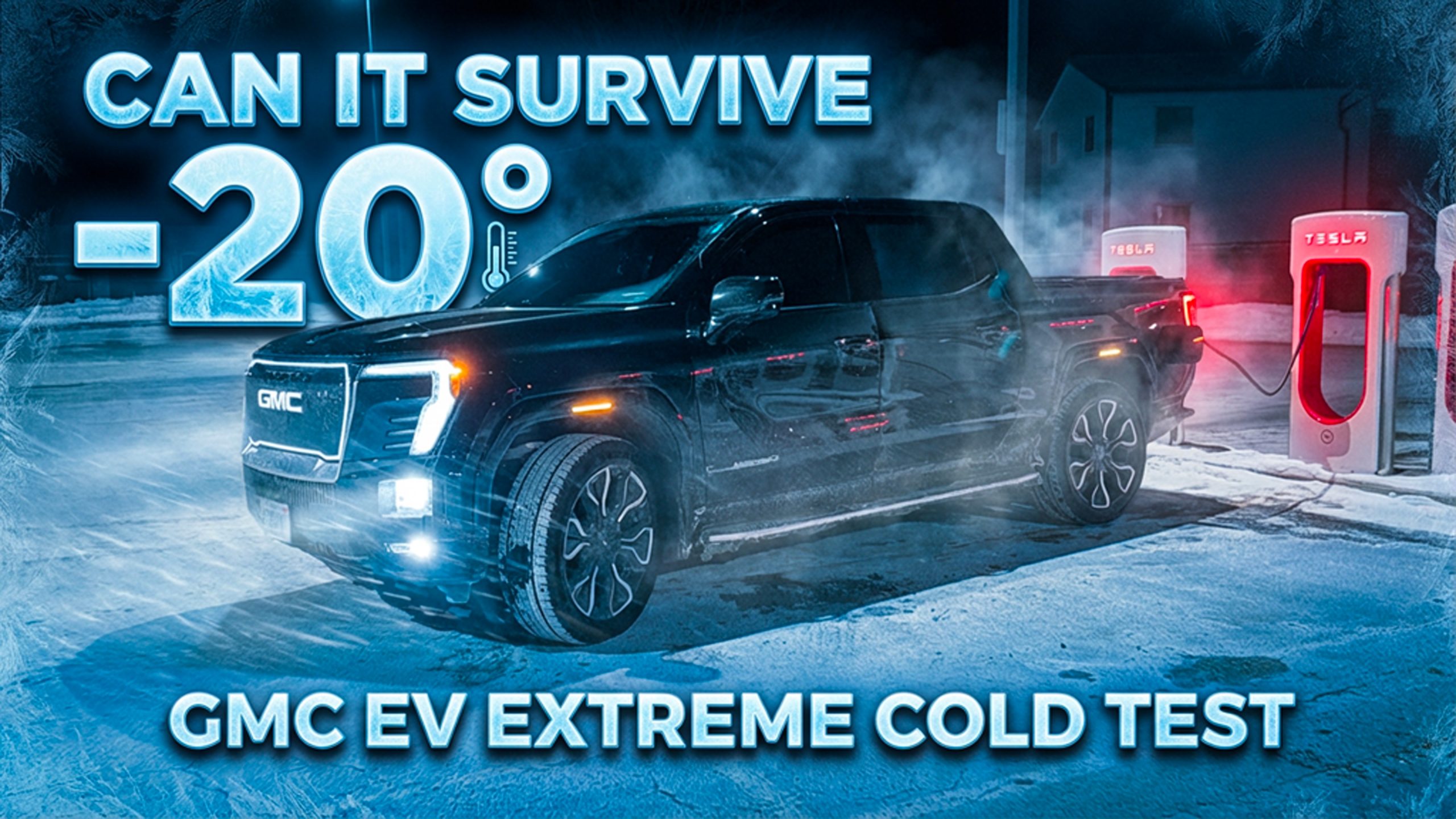
In the video below, a central Wisconsin driver shares what happened after leaving his GMC Sierra EV Denali (Max Range) parked outdoors at an airport for about 72 hours while traveling to Florida.
- The airport parking was outside
- There were no charging stations available at the lot
- Temperatures dropped into subzero conditions during the trip
- On return, it was around -15°F in central Wisconsin
- He returned to a battery level of about 61%
With about 40 miles left to get home, he stopped briefly at a Tesla charging station to add a little buffer. His thinking was simple: if something went wrong, he wanted enough charge to stay warm and stay safe.
Bottom line: he made it home without issue and estimated he used about 10% battery to finish the trip.
Watch the video
What cold weather does to EV performance
Cold weather affects EVs in two big ways:
- Battery chemistry slows down in lower temperatures.
- Heating the cabin and conditioning the battery draws extra energy, which can reduce range.
Real-world research helps quantify what drivers often feel:
- At 32°F, EVs retain about 78% of maximum range on average.
- At 20°F, EVs retain about 70% of maximum range on average.
- Testing and analysis citing AAA data has found that temperature alone can reduce range, and heavy HVAC use can push total range loss much higher, in some cases approaching around 40% at ~20°F conditions.
- A U.S. Department of Energy report reviewing cold-weather performance notes substantial winter range impacts in typical cold conditions (around 20°F), especially with cabin temperatures set for comfort.
That range loss is real, but it’s also not the whole story. Many drivers report the biggest hit occurs early, especially right after startup, when the vehicle is warming up and the battery is conditioning. In this Wisconsin test, the driver noted that once the vehicle warmed up after roughly 20 to 30 minutes of driving, energy use became less dramatic than the internet stereotypes suggest.
Cold weather tips for EV truck owners
If you drive an EV in a cold climate, a few habits can make winter easier:
- Precondition when you can (warming the cabin and battery before driving, ideally while plugged in).
- Plan a buffer in extreme cold. Leave yourself extra range for detours, wind, and slower charging.
- Use seat and steering wheel heat when available. It can be more efficient than blasting cabin heat.
- Expect slower fast charging if the battery is cold. Many EVs charge faster once the pack warms.
- Short trips can look “worse” because warm-up energy gets spread over fewer miles.
Why this video matters
There’s a big difference between lab numbers and real life. This experience is valuable because it covers the stuff people actually worry about:
- Leaving an EV outside for days
- Returning to a cold-soaked vehicle
- Starting up and driving in deep cold
- Charging for a few minutes for peace of mind
- Making it home safely and comfortably
If you’re in Wisconsin or anywhere that sees real winter, this is a grounded example of what EV ownership can look like when temperatures get serious.
Question for readers: What’s the coldest temperature you’ve driven in, and would you trust an EV truck in that weather?
EVs in Extreme Cold: FAQs (AEO)
Can an electric truck survive -20°F weather?
Yes. Modern EV trucks can operate in extreme cold, including subzero conditions. Range typically drops and warm-up can take longer, but the vehicle can still start, drive, and keep the cabin heated.
How much range do EVs lose in winter?
Range loss varies by model and conditions. Research commonly shows winter range reductions in the 15% to 40% range, depending on temperature, speed, wind, snow, and heater use.
Why does EV range drop in cold weather?
Cold slows battery chemistry and increases energy demand for cabin heat and battery conditioning. Both can reduce the energy available for driving.
Can EVs fast charge in freezing temperatures?
Yes, but charging can be slower if the battery pack is very cold. Many EVs warm the battery during driving or before charging, which can improve charging speed.
Is an EV practical in Wisconsin winters?
For many drivers, yes, especially with planning. Expect range reduction during extreme cold, use preconditioning when possible, and keep a reasonable buffer charge for safety.